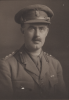
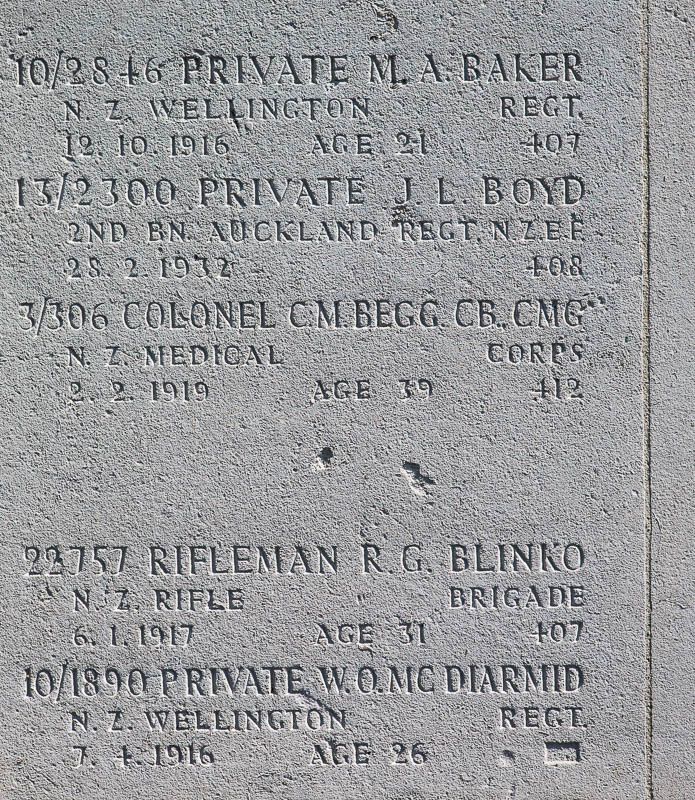
"DEATH OF COLONEL C. M. BEGG
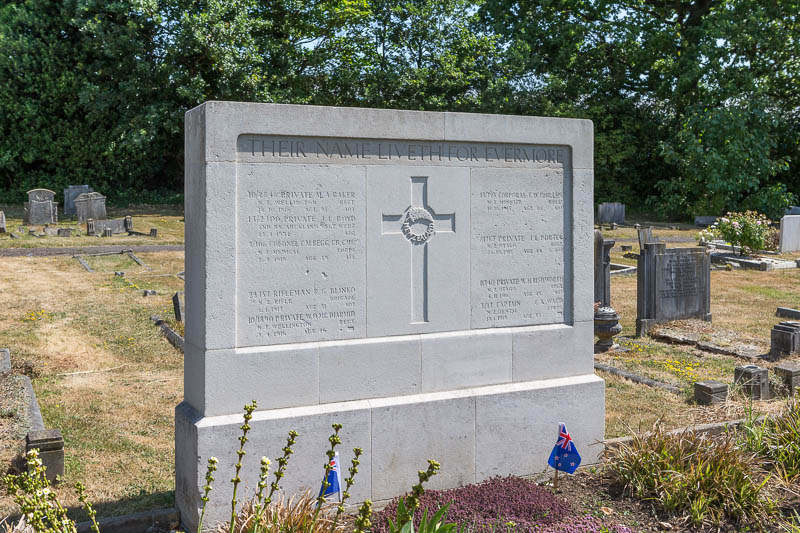
Advice has been received by the Defence Department of the death of Colonel Charles Mackie Begg, C.B., C.M.G., Director of Medical Services, New Zealand Expeditionary Force. Colonel Begg died in London of influenza shortly before he was to have left for New Zealand to take over the duties of Director-General of Medical Services to the New Zealand Defence Forces in succession to Surgeon-General R. S. F. Henderson, C.B., who is returning to England in April.
The news of Colonel Begg's death will be received with sincere regret throughout the country, and especially in Wellington, where he was so well known and so greatly admired. By those who knew the value of his work for the New Zealand Army both here and abroad, his demise, terminating so suddenly a brilliant career, is regarded as a great loss to the country. Colonel Begg, who was only 39 years of age, was the son of the late Mr. A. C. Begg, of Dunedin, and came of a family famous in ecclesiastical and legal circles in Scotland. He was educated at the Otago Boys' High School and at the University of Edinburgh, where he took his doctor's degree in 1905. He was also a Fellow of the Royal College of Surgeons, Edinburgh, and being also a member of the Royal College of Physicians, Edinburgh, he was recently elected to the Fellowship as an honour for his war services. Thus he had the unique distinction in New Zealand of Fellowships in both the Colleges of Physicians and Surgeons.
He commenced practice in Wellington in partnership with the late Dr. Logan, in Hill-street, and later removed to Willis-street. He was honorary surgeon to the Children's Hospital, was held in high esteem in general practice, and gave much time and thought to the organisation of the Field Ambulance, first in the Volunteer Forces and later in the Territorial Army. When war broke out he was Assistant Director of Medical Services, Wellington Military District, and he joined the Expeditionary Force in command of the Field Ambulance, and sailed with the Main Body for Egypt. He was from beginning to end on Gallipoli, where, from the nature of the warfare, the Field Ambulance undertook all kinds of medical military work. When Colonel Maunder, R.A.M.C, was killed, Colonel Begg succeeded him as the chief administrative medical officer of the New Zealand Force. He had the reputation for great organising ability and firmness of decision, well in evidence when he was responsible for collecting at short notice the medical equipment necessary for the Gallipoli campaign. He was awarded the C.M.G. on the Peninsula.
In France he added to his laurels, and was mainly responsible for the excellence of the medical arrangements of the New Zealand Division. He was later promoted Director of Medical Services to the Second Anzac Corps, being the only medical officer in the whole of the armies in France who had attained a position of this importance who was an amateur, and not a professional soldier. He passed through the various assaults and trench fighting in France unscathed. He had in the later phases of the war the distinction of being responsible for the field training of many of the medical units of the American Army, and shortly before the German thrust at Amiens he had under his command as senior officer, several medical units of the French Army in the Argonne. At the time of the armistice he was appointed Deputy Director of Medical Services at the New Zealand Headquarters in London, and later discharged important duties in connection with demobilisation. For his services in France he was given the C.B. decoration. In spite of his distinctions and the brilliance of his career, he was a man of great modesty, and loved quietness and social intercourse among his friends. He had no delight in war and only the sense of duty impelled him to take part in the great struggle, for which his previous Territorial experience well fitted him. It is a great pity that his experience and powers of organisation will be lost to the Dominion, and his scientific attainments will be a great loss also to his profession. He was an office-bearer in St. Andrews Presbyterian Church, and a member of the Masonic fraternity. He married the only daughter of Mr. C. H. Treadwell, barrister, of Wellington, and is survived by his widow and two young children." [Evening Post, Volume XCVII, Issue 31, 5 February 1919, Page 7]